
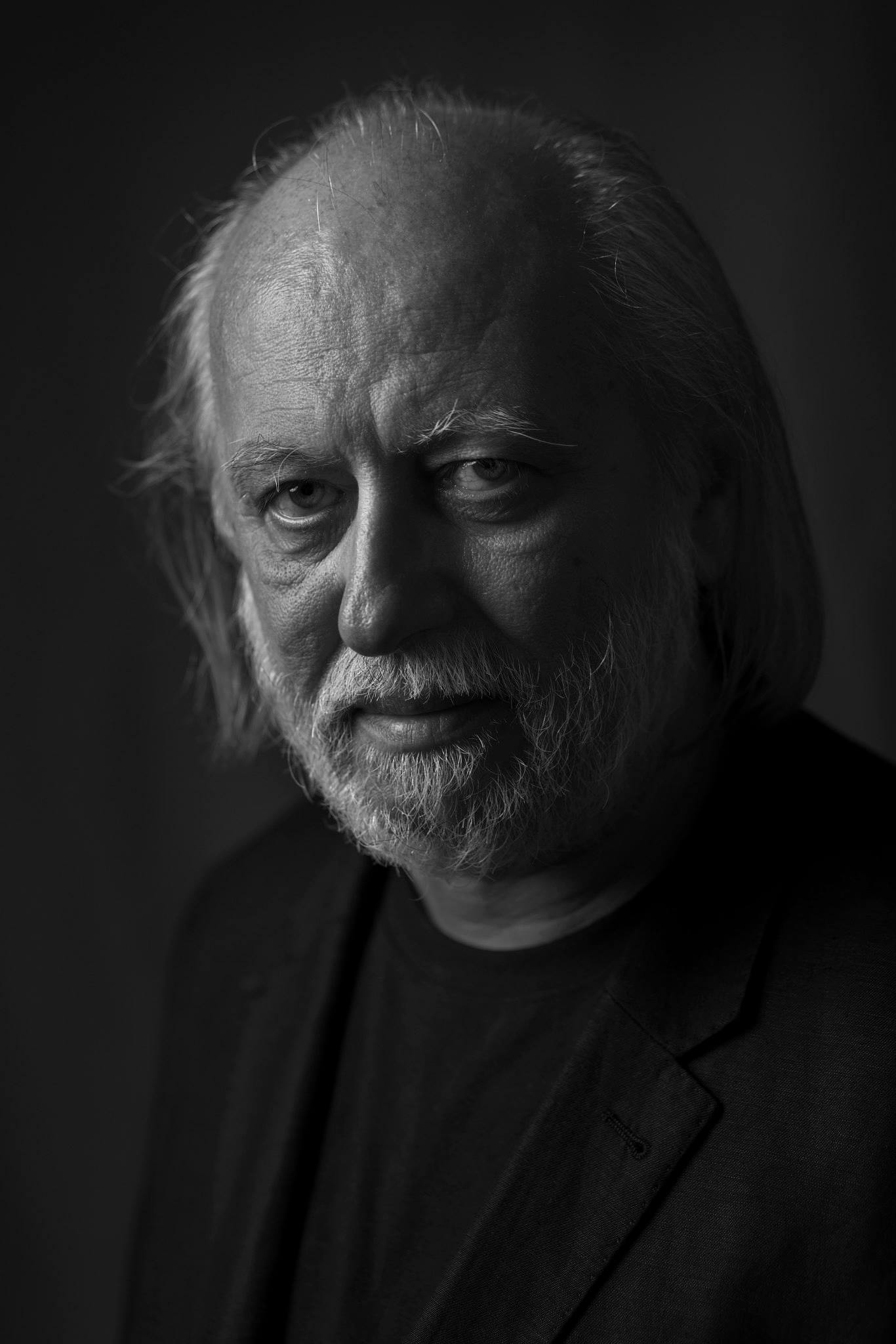
The Swedish Academy has announced Hungarian author László Krasznahorkai as the recipient of the 2025 Nobel Prize in Literature, recognizing his profound contributions to contemporary fiction. The prize, worth 11 million Swedish kronor (approximately $1 million), honors Krasznahorkai “for his compelling and visionary oeuvre that, in the midst of absurdity and apocalypse, finds a language for the vulnerability and resilience of the human condition.”
László Krasznahorkai, Whose Novels Have Been Adapted by Hungarian Auteur Béla Tarr, Wins Nobel Prize for Literature https://t.co/7uZwcygo71
— The Hollywood Reporter (@THR) October 9, 2025
Born in 1954 in the rural town of Gyula, Hungary, near the Romanian border, Krasznahorkai’s early life in remote settings heavily influenced his debut novel, Satantango (1985), which depicts destitute villagers on a failing collective farm awaiting a dubious savior amid the crumbling communist era. The book, inspired by a Kafka epigraph about futile waiting, catapulted him to fame in Hungary and later gained international acclaim through its English translation in 2012. His works often explore themes of order versus chaos, social decay, and human folly, blending grotesque absurdity with apocalyptic visions.
Krasznahorkai’s signature style features long, winding sentences that mirror existential turmoil, drawing from Central European traditions like Franz Kafka and Thomas Bernhard. Notable novels include The Melancholy of Resistance (1989), a feverish tale of a circus whale sparking anarchy in a small town; War & War (1999), following an archivist’s obsessive quest; and Baron Wenckheim’s Homecoming (2016), a picaresque story echoing Dostoyevsky. His later works incorporate Eastern influences from travels to China and Japan, such as Seiobo There Below (2008), a Fibonacci-structured collection of stories on beauty and impermanence rooted in Japanese mythology. More recent titles like Herscht 07769 (2021) weave contemporary German settings with Bach’s legacy, addressing misplaced trust and societal unrest.
Beyond literature, Krasznahorkai has collaborated extensively with filmmaker Béla Tarr, scripting films like Satantango (1994), a seven-hour cult classic critiquing decay, and Werckmeister Harmonies (2000), adapted from The Melancholy of Resistance. These adaptations have introduced his dense, philosophical narratives to global audiences, with re-releases in 2020 and 2024 amplifying their impact. He has also worked on illustrated books with artist Max Neumann and composer Szilveszter Miklós, including Chasing Homer (2019), and an opera adaptation of The Melancholy of Resistance premiered in Berlin in 2024.
Prior accolades include the 2015 Man Booker International Prize, affirming his status among world literature’s elite. Translations by poets like George Szirtes and Ottilie Mulzet have made his challenging prose accessible in English, French, German, and beyond. Literary critics praise his ability to challenge Eurocentric views through Eastern motifs, as in Seiobo There Below, which contemplates artistic creation amid chaos.
The announcement, made at the Swedish Academy in Stockholm, follows speculation that Krasznahorkai was a joint favorite alongside Chinese writer Can Xue. In interviews, the author has described his writing as an attempt to capture the “dark and difficult” essence of existence. This win marks the first Nobel for a Hungarian since Imre Kertész in 2002, highlighting Central Europe’s enduring literary legacy. As global readers rediscover his works, Krasznahorkai’s visionary prose continues to resonate in an era of uncertainty.