
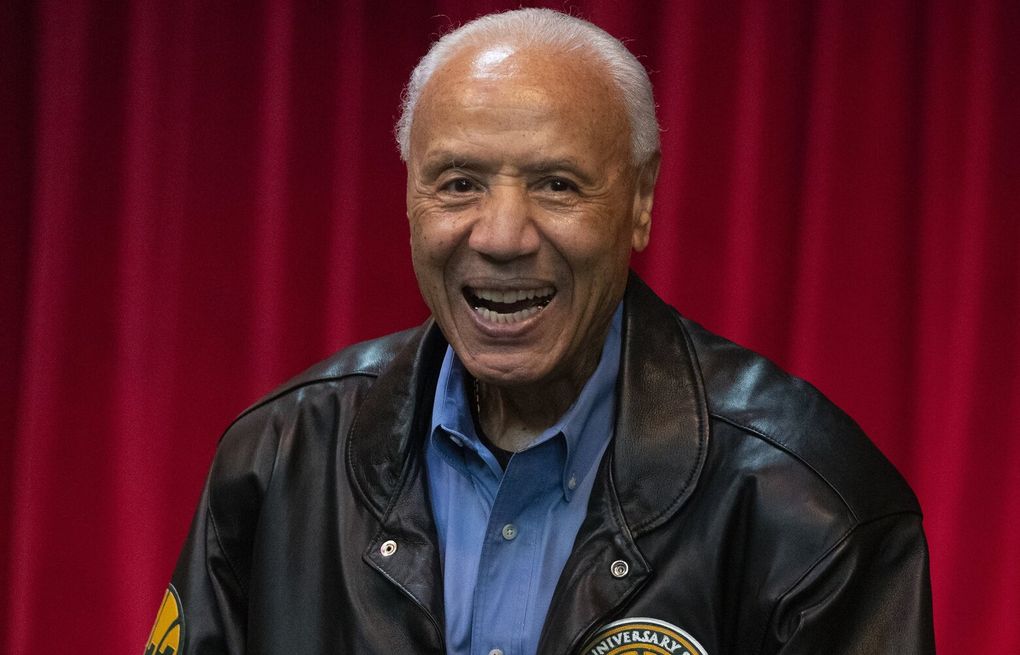
Lenny Wilkens, Hall of Fame basketball player and coach, has died at 88.
Wilkens, who was known as the godfather of Seattle basketball, played for 15 seasons and his 1,332 wins as a head coach rank third all-time. pic.twitter.com/Rh7kGaKzbP
— Yahoo Sports (@YahooSports) November 9, 2025
Born on October 28, 1937, in Brooklyn, New York, Wilkens rose from the streets of Bedford-Stuyvesant to become a two-time All-American at Providence College. Standing at 6-foot-1, he entered the NBA in 1960 with the St. Louis Hawks, quickly establishing himself as a tenacious point guard. Over 15 seasons with the Hawks, Seattle SuperSonics, Cleveland Cavaliers, and Portland Trail Blazers, Wilkens appeared in nine All-Star Games, earned All-Star MVP honors in 1971, and finished second to Wilt Chamberlain in the 1968 MVP voting. Retiring in 1975 as the league’s second-leading all-time assist man behind Oscar Robertson, he amassed 6,628 assists and was renowned for his quickness, guts, and understated demeanor—earning the affectionate nickname “Skeeter” from peers.
Wilkens’ true transcendence came as a coach. Becoming the NBA’s first Black head coach in 1969 with the SuperSonics—a player-coach no less—he helmed teams for 32 seasons across six franchises, retiring in 2005 with 1,332 victories, third all-time behind only Gregg Popovich and Don Nelson. His pinnacle arrived in Seattle, where he returned midway through the 1977-78 season to lead the Sonics to back-to-back NBA Finals. After falling in seven games to the Washington Bullets in 1978, Wilkens orchestrated a 4-1 revenge victory in 1979, delivering the franchise’s sole championship with stars like Dennis Johnson and Gus Williams. Later stints included guiding the Atlanta Hawks to the 1994 Coach of the Year award and three 50-win seasons with the Cleveland Cavaliers, often clashing with Michael Jordan’s Bulls.
Inducted into the Naismith Memorial Basketball Hall of Fame as a player in 1989 and as a coach in 1998—one of only four to achieve dual honors—Wilkens was named to the NBA’s 75th Anniversary Teams as both one of the top 76 players and 15 coaches. His international impact shone through Olympic gold medals: as assistant to the 1992 Dream Team and head coach for the 1996 U.S. squad.
Beyond stats, Wilkens was a pioneer for racial justice. He helped form the National Basketball Players Association in 1964, boycotted the league’s first televised All-Star Game to demand better player rights, and drew inspiration from icons like Martin Luther King Jr. and Jackie Robinson. In retirement, his Lenny Wilkens Foundation raised millions for Seattle’s Odessa Brown Children’s Clinic, embodying his mantra: “Once you secure yourself, give back to make it better.”
Tributes poured in swiftly. NBA Commissioner Adam Silver called him “a quiet revolutionary,” while former Sonics teammate Jack Sikma remembered his “unwavering integrity.” Seattle mayor Bruce Harrell vowed to honor Wilkens with a city-wide tribute, underscoring his role in elevating the SuperSonics to national prominence.
Lenny Wilkens wasn’t just a winner; he was a builder—of teams, communities, and equality. As the NBA evolves, his blueprint endures, reminding us that true greatness whispers more than it shouts. Rest in peace, Coach.