
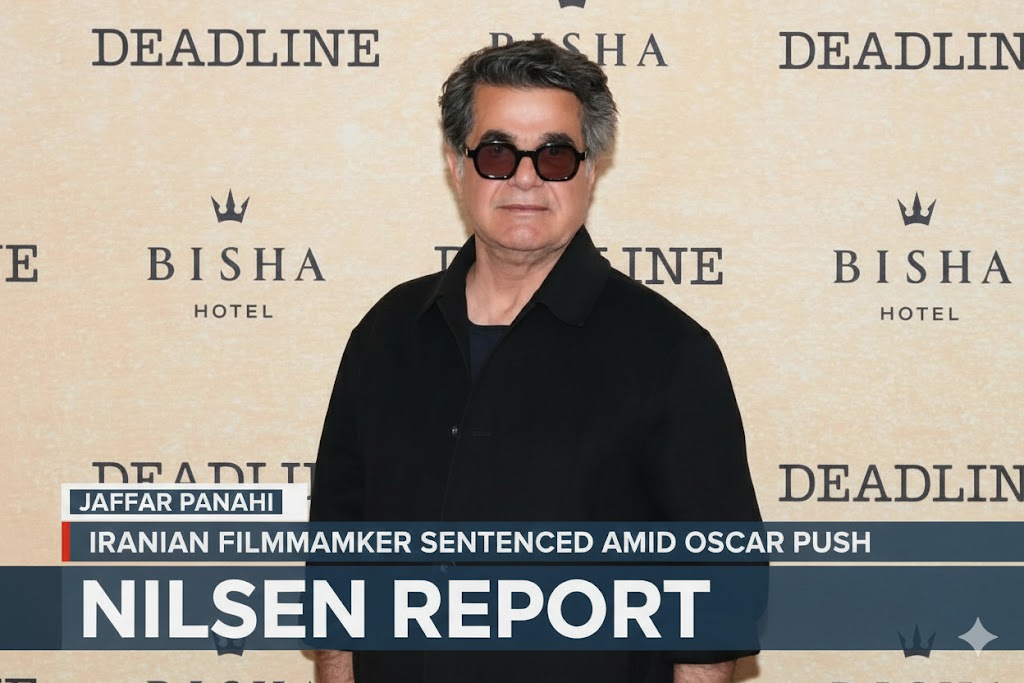
In a stark reminder of Iran’s crackdown on dissenting voices, acclaimed director Jafar Panahi has been handed a one-year prison term and a two-year travel ban in absentia by Tehran’s Revolutionary Court. The ruling, announced Monday by his lawyer via the AFP news agency, stems from charges of “propaganda against the system,” according to reports from HRANA and multiple outlets. The 65-year-old filmmaker, a Palme d’Or winner for his 2015 documentary Taxi, was tried by Branch 26 of the court without his presence, adding to a litany of legal battles that have defined his career.
Cannes Winner Jafar Panahi Sentenced to a Year in Prison in Iran in Absentia, Lawyer Says https://t.co/SiPEzzoI4I
— Variety (@Variety) December 1, 2025
Panahi’s troubles with Iranian authorities date back over a decade. In 2010, he was arrested for supporting opposition protests following disputed elections, leading to a six-year sentence and a 20-year ban on filmmaking and travel abroad. He served just two months before international outcry—bolstered by figures like Martin Scorsese—secured his release under house arrest. Undeterred, Panahi smuggled out clandestine works like This Is Not a Film (2011), earning global acclaim while evading censors. His latest triumph, It Was Just an Accident, clinched a top prize at Cannes earlier this year, showcasing his signature blend of humanism and subtle critique.
Currently outside Iran, Panahi was spotted in Los Angeles last week and is slated to appear at the Marrakech International Film Festival on Thursday for a screening of his award-winning feature. The new penalties, which also bar him from political affiliations, underscore Tehran’s escalating intolerance for artists challenging the status quo, especially amid protests sparked by Mahsa Amini’s 2022 death.
Human Rights Watch decried the verdict as “a blatant attempt to silence Panahi’s powerful voice,” echoing calls from Amnesty International for his immediate exoneration. Panahi, whose films have illuminated the plight of the marginalized, remains a symbol of artistic defiance. As he prepares for Marrakech, supporters worldwide rally against what they term judicial harassment, fearing this could curtail his nomadic filmmaking era. In a statement to Variety, his team affirmed: “Jafar’s spirit and creativity cannot be imprisoned.” With exile as his canvas, Panahi’s next chapter promises to probe deeper into resilience under repression.